
A Brain Checkup at Amen Clinic (Seattle), and why you need to go there... ♥️
“Being able to be your true self is one of the strongest components of good mental health." - Dr. Lauren Fogel Mersey

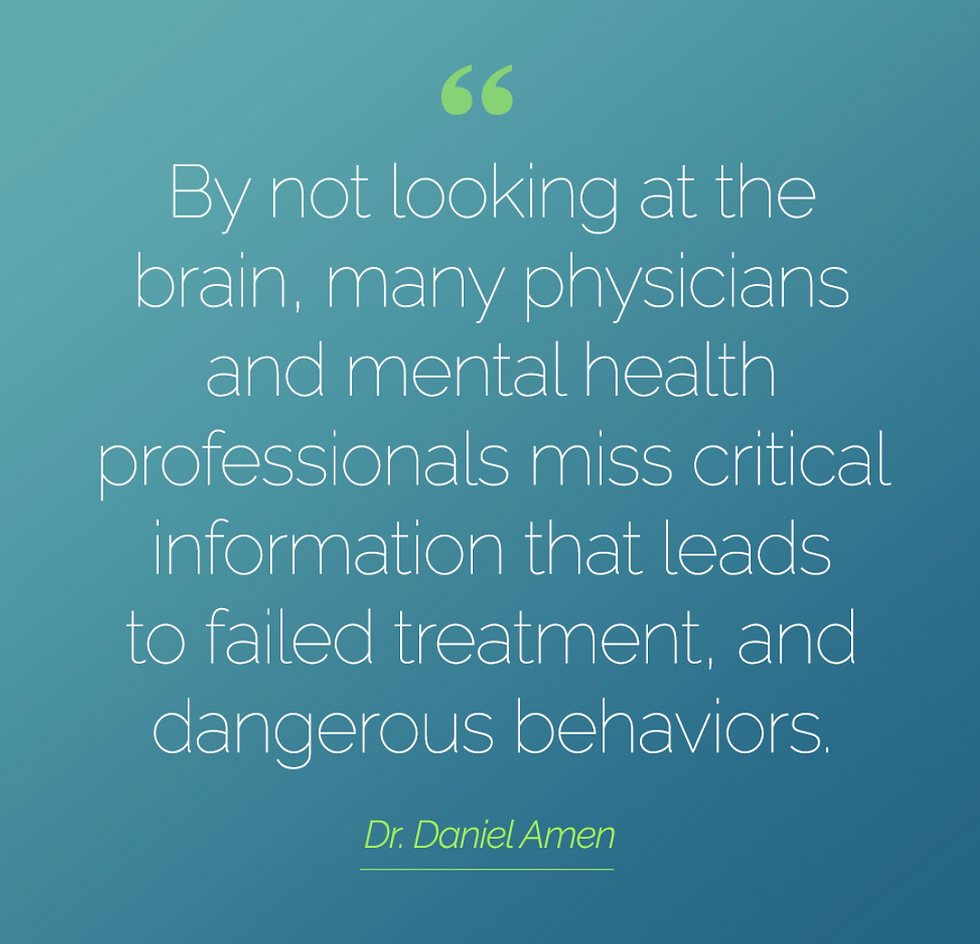
I was listening to a podcast 🎤 and this guy, Dr. Daniel Amen came on. So much of what he said resonated with me. How can we diagnose someone with a mental health condition without looking inside their brain with diagnostic imaging? 🧠🤓
That really resonated with me as an anesthesiologist who works with the best neurosurgeons in the world. Our team anesthetizes dogs and cats all day everyday for brain MRI's because of their behavioral changes. So why isn't that standard of care in people?
OK, Ok... I'm not a psychiatrist. Heck, I'm not even a human doctor. So don't take medical advice from me.
But the truth is, I felt like I had hit a plateau with the management of superpowers, Bipolar 1. I am so thankful to the access to care that I have had. I've seen amazing psychiatrists, been in amazing hospitals, and have had (and still have) an amazing therapist.
I feel like I maxed out prioritizing sleep, good nutrition, exercise, meditation, all the things, and yet I was still getting frustrated by my brain, particularly at the end of the day. My biggest frustration was verbal dyslexia. I'd start to not be able to say the word I wanted to. Like, if I wanted to say, "go sedate the cat," what might come out is, "go sedate the crate." Usually a word that was jibberish in the context of the sentence. But yet, if I repeated my self I'd often still be stuck saying crate instead of cat.
It's not the worst complaint in the world for someone with Bipolar disease, but it often brought me some embarassment and shame 🫣🫣🫣. My first approach was to see if I could find a doctor who would help me get off my meds. Which is one of the reasons I went to the Amen Clinic. They have some of the best psychiatrists and mental health doctors in the world, but they also were pro overall health in mind, body and spirit. And they took an approach of leaning towards exercise, meditation, medically backed supplements/herbals, and spirituality as a way to treat mental health disease.
If I'm being honest... ❤️
If I'm speaking my truth, my primary reason for going there was hoping that with imaging and cognitive testing my healthcare team could get me off pharmaceutical drugs. And by getting off of those medications, I'd be more authentically Ashley.
But what happened instead was something different. And I am so grateful for it. Up until going to Amen Clinic, every healthcare provider I spoke with gently told me that I'd have to stay on antipsychotics my entire life. And if I went off them, I would almost certainly have another manic episode in 3-6 months.
So when the naturopathic doctor I worked with at Amen Clincis, who has extensive training in mental health disorders told me I need to stay on my medications, that really helped me. I feel like if a leading doctor on the use of functional and integrative treatments tells you to stay on your meds, you better listen!
As much as it's not what I wanted to hear, I didn't feel condemned or ashamed. I mostly felt liberated that I had the answer to my question. I felt like I could close that door of questions and just accept that psychiatric medications were going to be a part of my life.
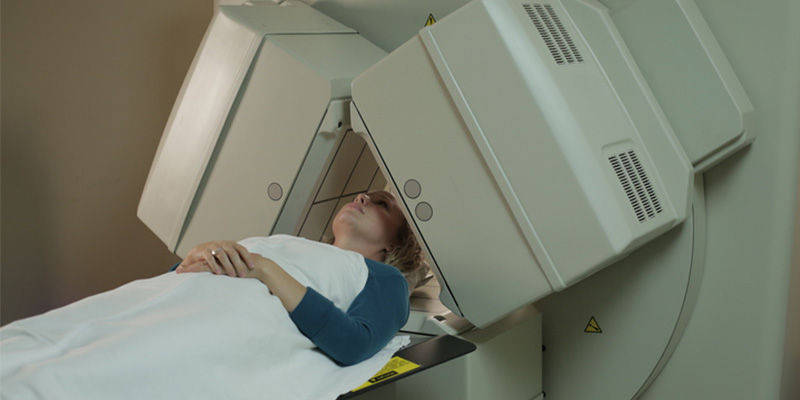
What I learned from my Brain SPECT Scans 🧠

After I had my cognitive testing and brain scans, I had a follow up appointment via zoom with an incredible Doctor, Dr. Chapek.
He was very thorough in going through my brain scans. He showed me some atypical changes to my brain, but along with that, he let me know what things I could do to combat those changes.
For example, he talked about how high intensity/cardio workout are important to my cognitive function. I usually do a run in the morning or jump rope, and him reminding me I need to do that has solidified my workout routine in the morning to get my heart rate up!

One of the interesting things I learned is that there are changes to my parietal lobe, which impacts my navigation and map reading abilities. I essentially failed this aspect of the cognitive testing. And I struggle with map reading (thank heavens for Google Maps!). Seeing those changes in my brain was interesting, and also just reminded me to be careful when I'm out on long runs in the mountains. I'm prone to getting lost, and the Montana mountains aren't that forgiving to lost souls.

There were also changes to my Post Cingulate Gyrus, which Dr. Chapek explained could explaine incrased ruminating thoughts. I feel like with meditation and prayer I have gotten better about this, but it's nice to know that I may lean more towards too much rumination.
The Follow-Up Care is incredible
That's one thing I really appreciated. They don't scan you and send you a report and then turn you loose. They have a really incredible follow-up appointment schedule that I appreciated. I met with a patient care coordinator, named Cameron, who was stellar! I feel like the follow up appointments is where the real work begins starting to understand your brain and optimize it for life.
During follow up appointments with Dr. Chapek, I started taking a few more supplements that I think have really helped. And I also did something that I think helped the most -- going onto a ketogenic diet.
Going Keto! 🥩 🧈
The benefits of a ketogenic diet for seizure management have been well documented. The use of the diet for Bipolar 1 has been less well studied, but initial data is promising for enhancing control of the mood swings in conjuction with traditional medications.
I've been on a keto diet for several weeks now and I love it. More than running or any other thing I've done, it calms me down and helps me sleep. I like to run and lift weights and stay pretty active, so I was worried what it would be like to go almost carb-free (I try to keep carbs less than 25 grams per day).
That's where Dr. Chapek and Cameron came in to really help me. They let me know that I really need to stay on top of eating enough FAT. They gave me recipes for fat bombs and other things to eat to feel fueled and still maintain a ketotic metabolism.
Going keto is probably one of the best things I have done for my health. I think I'll have to continue to put time and effort into that diet to make sure I get the macro and micro nutrients that my body needs. But I feel comfortable with it because I have signed up to do follow up appointments every quarter with the Amen Clinic staff.
Some thoughts on where to stay... 😴

Argh... I hate to type this, because I try to stay SO positive on this blog. But I also am writing this post in the hopes it might encourage someone to try going to Amen Clinic, so I best be honest about Seattle.
The clinic is in a really lovely area outside of Seattle (about a 20 minute drive from downtown Seattle). I chose to stay in downtown Seattle because I had never been and wanted the experience. But I regret that choice. I stayed in an AirBNB in a relatively nice part of Seattle, really close to the Pike Place Fish Market. But I never felt safe. The homeless population was overwhelming.
I grew up working in Washington, D.C. as a kid and visiting my dad who worked there. I'm not stranger to the homeless. In fact I like talking to them. But the Seattle homeless, that's a different story. They all act like zombies.
If I could do it over again, I'd stay in a nice hotel in downtown Seattle, where I feel like you'd feel more safe than a random apartment. Or, stay close to the Amen Clinic, out in the suburbs (it is technically in Tukwila, WA) and drive into Seattle for your city sight-seeing if you want it.
One place you really should visit... Chihuly Garden and Glass
I'll keep this short. If you want to visit one place in Seattle while you are at Amen Clinic, go to the Chihuly Garden and Glass. It will inspire you. And move you.
There are SO many reasons to love ♥️ Amen Clinic...
The front desk staff is incredible. And when you're traveling and nervous to be in a new clinic, it makes ALL THE DIFFERENCE in the world to have a smiling face greet you
Cameron, the case manager here is, what shall I say, INCREDIBLE. His attention to detail and personalized care is the best I've ever had at any hospital or clinic. He knew my medical history 10x better than me. His questions were impressive.
Dr. Chapek, the physician I saw, was comforting, super smart, and practical. I trust him entirely.
The treatment plans are SUPER thorough, and the follow up care is the best I've ever seen. Bravo!
Thank you Amen Clinic for helping me have the happiest and healthiest brain I can!
“Healing takes time, and asking for help is a courageous step." - Mariska Hargitay
Helpful Links:
A Great article by Dr. Daniel Amen, 10 Lessons I've learned from 150,000 brain scans: https://www.linkedin.com/pulse/10-lessons-ive-learned-from-150000-brain-scans-daniel-g-amen-m-d-


Comments